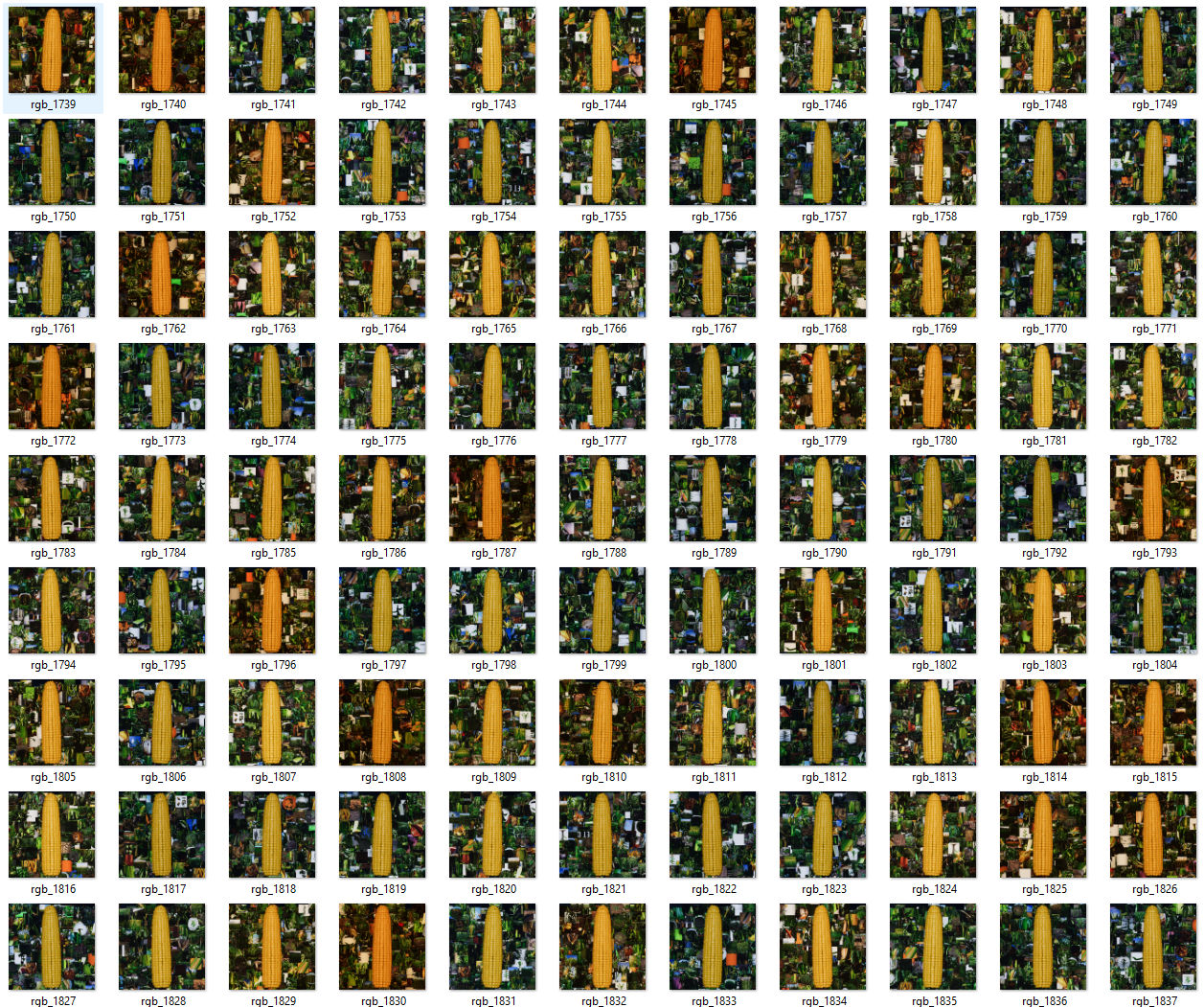
The forefront of developing XR experiences with a new focus on integrating Machine Learning (ML) and Artificial Intelligence (AI). I am currently exploring the fusion of machine learning and computer vision using generative synthetic datasets in Unity Perception. The primary objective is to develop a product prototype utilizing ML and AI models. I’m also utilizing complementary tools such as TensorFlow for model training, Python for data set analysis, Houdini for procedural modelling, and 3DMax for modelling and textures. The resultant system will consider various use cases, including human interaction, drone applications, and static cameras. The generated dataset will be used to train a model for an XR application capable of real-time object classification in field environments. Besides that, I’m striving to continue creating engaging and innovative XR applications that bridge the gap between the real and virtual worlds.
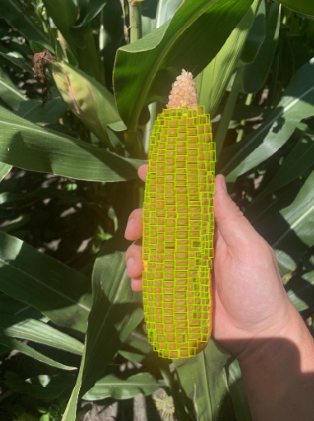
The Challenge: Develop a synthetic data generation process for on-ear corn kernel detection, leveraging Unity Perception to create realistic and randomized datasets. The goal was to build a robust training pipeline that could accurately detect and count corn kernels, overcoming the limitations of real-world data collection and improving the efficiency of agricultural operations.
The Solution: Using Unity Perception, I implemented randomized environments to simulate diverse lighting, angles, and conditions that replicate real-world farming scenarios. By creating synthetic datasets and training a computer vision model, I was able to generate high-quality data that captured various stages of corn development. The project combined expertise in computer vision, artificial intelligence, and augmented reality to tackle a complex agricultural problem.
The Result: The successful generation of synthetic data and the trained model demonstrated impressive accuracy in detecting and counting kernels. This work not only advanced research in agricultural technology but also showed the potential of synthetic data in overcoming data scarcity challenges. The project was a key component of my Master’s thesis in Computer Graphics, Virtual Reality, and Simulation at UTAD, contributing to the growing field of precision agriculture.